
Post: The Hormuz Strait Crisis: A Wake-Up Call for Energy Independence
Post Categories
- Battries
- Battery Energy Storage System
- BESS
- Best Inverter Battery for Home
- Cells
- DMEGC Cells
- E - Rickshaw Battery
- Electric Vehicle Battery Manufacturers
- Energy Storage Solutions
- EV Battery
- EV Battery Manufacturers in India
- High Voltage ESS Battery Manufacturer
- Highpower Prismatic Cells
- Highstar Prismatic Cells
- Inverter Lithium Batteries
- Lithium Batteries
- Lithium Battery Manufacturers in India
- Lithium Cells
- Low Voltage ESS Battery Packs
- Manufacturing
- News
- Smart BMS
- Uncategorized
Recent Posts

Questions Every Buyer Should Ask Before Purchasing an ESS
September 22, 2026
No Comments
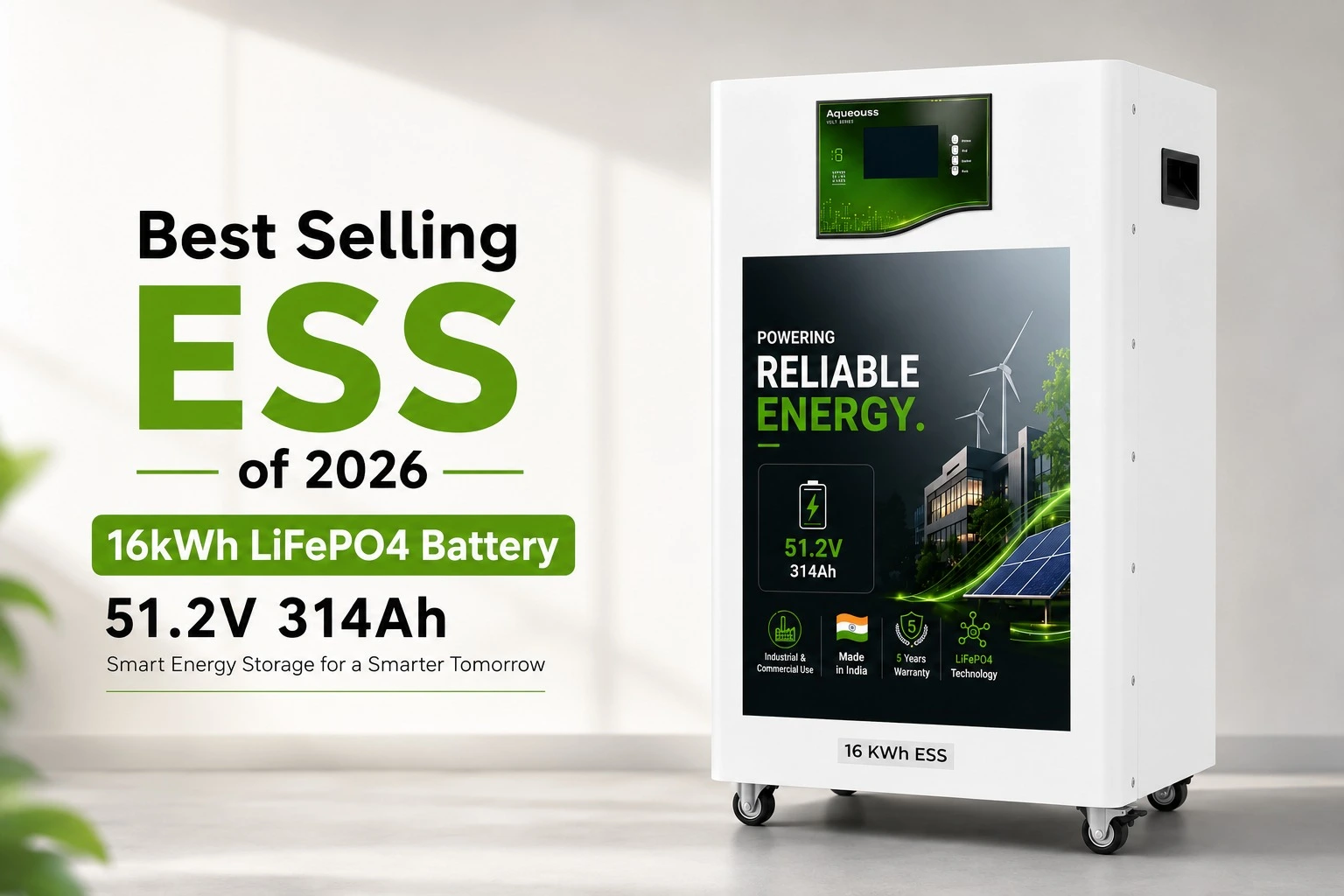
Best Selling ESS of 2026 – 16kWh 51.2V 314Ah LiFePO4 Battery
July 22, 2026
No Comments
The Hormuz Strait Crisis: A Wake-Up Call for Energy Independence
- Admin
- June 29, 2026
- 11:57 am
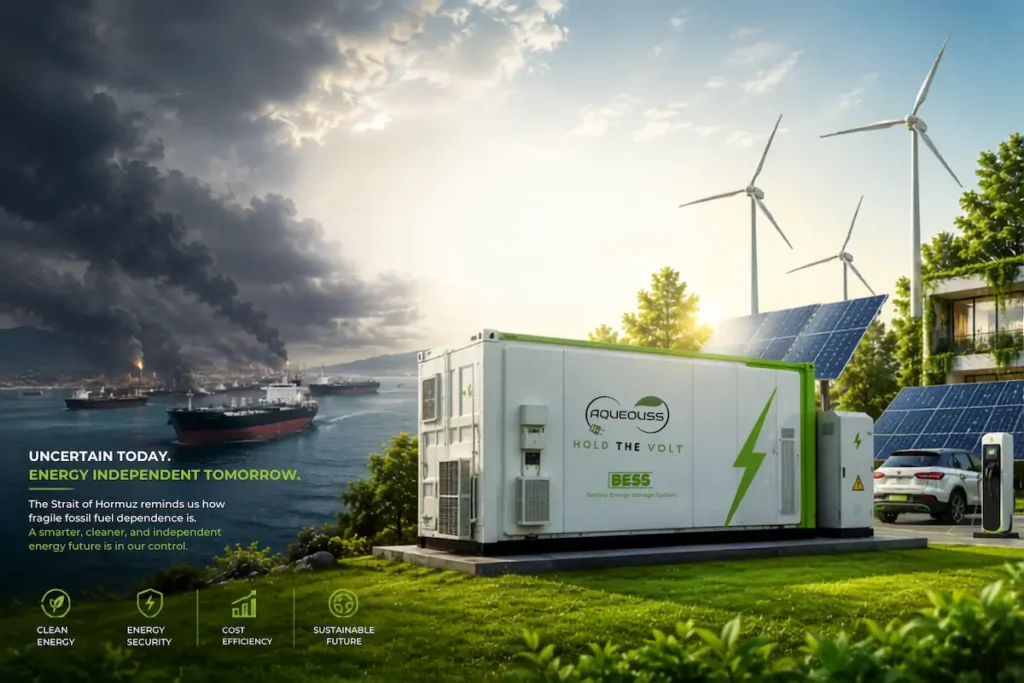
A few weeks ago, many business owners weren’t thinking about the Strait of Hormuz.
Then headlines started appearing. News channels discussed rising tensions. Analysts warned about possible disruptions to global oil shipments. Almost overnight, businesses around the world began asking the same question:
What happens if fuel supplies become uncertain?
For companies that rely heavily on diesel generators, transportation fleets, or fuel-powered operations, this wasn’t just another international news story. It was a reminder that events taking place thousands of kilometers away can directly affect operating costs, business continuity, and energy security.
The reality is that the Hormuz Strait crisis has highlighted something much bigger than rising oil prices—it has exposed how dependent many economies still are on fossil fuels.
Why Does the Strait of Hormuz Matter?
At first glance, the Strait of Hormuz may seem like a distant shipping route with little connection to everyday businesses.
The truth is very different.
A significant share of the world’s crude oil and liquefied natural gas passes through this narrow waterway every day. When geopolitical tensions increase or shipping routes face disruption, global energy markets react almost immediately.
Oil prices can rise. Fuel transportation becomes uncertain. Businesses that depend on diesel often face increasing operating costs and supply concerns.
Even companies far from the Middle East can feel the impact.
Why Should Businesses Pay Attention?
Many buyers assume fuel will always be available whenever they need it.
Recent events remind us that’s not always guaranteed.
When global supply chains face uncertainty, diesel prices can fluctuate rapidly. In some situations, deliveries may be delayed, operating costs increase, and budgeting becomes more difficult.
For a factory running backup generators, a logistics company operating diesel-powered equipment, or a commercial building relying on generator backup, these changes can directly affect daily operations.
Energy security is no longer just a government concern—it’s becoming a business strategy.
The Hidden Risk of Fuel Dependency
Imagine your business experiences a prolonged power outage.
Your diesel generator is ready to operate.
But fuel prices have doubled over the past few weeks, or diesel deliveries have become difficult due to supply disruptions.
Suddenly, your backup solution depends on factors completely outside your control.
This is a question worth asking.
How resilient is your business if your primary backup system relies on a continuous supply of fuel?
Many organizations are beginning to view this as a long-term risk rather than a temporary inconvenience.
Here’s Where Things Get Interesting…
Businesses are no longer thinking only about backup power.
They’re thinking about energy independence.
Instead of relying entirely on fuel-based backup systems, many organizations are investing in an Energy Storage System (ESS) that stores electricity for use whenever it’s needed.
Unlike diesel generators, an ESS doesn’t require fuel deliveries every time it operates.
If combined with rooftop solar, it can store excess energy during the day and supply power during outages or peak electricity demand.
The result is greater control over energy costs and less dependence on unpredictable fuel markets.
Beyond Cost Savings
Many discussions about Battery Energy Storage Systems focus on reducing electricity bills.
That’s certainly one advantage.
But recent global events have shifted the conversation.
Business owners are increasingly asking:
- How can we continue operating during grid outages?
- How can we reduce our dependence on diesel?
- What happens if fuel prices rise again?
- Can we make better use of our solar installation?
- How do we prepare for future uncertainty?
An ESS answers many of these questions by improving energy resilience, not just reducing electricity expenses.
Is This the End of Diesel Generators?
Not necessarily.
Diesel generators still play an important role in applications requiring extended backup during long outages.
However, many businesses are moving toward hybrid energy systems.
In these setups, a Battery Energy Storage System provides instant, silent backup power while reducing generator runtime. The generator is used only when extended operation is required, lowering fuel consumption, maintenance costs, and overall dependence on diesel.
It’s not about replacing every generator overnight—it’s about using energy more intelligently.
Planning for the Future Instead of Reacting to It
The Hormuz Strait crisis reminds us that global events can quickly impact local businesses.
Power reliability, fuel availability, and operating costs are becoming increasingly interconnected.
Companies investing in reliable energy storage solutions today are better prepared for tomorrow’s uncertainties. As a trusted Battery Energy Storage System (ESS) manufacturer, Aqueouss delivers dependable, high-performance solutions that help businesses achieve energy resilience and independence.
Whether it’s a commercial facility, manufacturing plant, hospital, warehouse, office complex, or residential property, choosing a reliable ESS from Aqueouss ensures greater energy security, lower operating costs, and uninterrupted power when it matters most.
Final Thoughts
The recent tensions surrounding the Strait of Hormuz are more than a geopolitical headline—they’re a reminder that energy security can no longer be taken for granted.
While no single technology can eliminate every risk, an Energy Storage System offers businesses and homeowners a practical way to reduce dependence on volatile fuel markets, strengthen backup power, and make better use of renewable energy.
The future of energy isn’t about choosing between diesel and batteries. It’s about building smarter, more resilient energy systems that can adapt to an increasingly uncertain world. For many organizations, that journey begins with investing in an ESS—not simply as a backup solution, but as a step toward true energy independence.