

Post: Challenges of Fast Charging for Electric Vehicles
Post Categories
- Battries
- Battery Energy Storage System
- BESS
- Best Inverter Battery for Home
- Cells
- DMEGC Cells
- E - Rickshaw Battery
- Electric Vehicle Battery Manufacturers
- Energy Storage Solutions
- EV Battery
- EV Battery Manufacturers in India
- High Voltage ESS Battery Manufacturer
- Highpower Prismatic Cells
- Highstar Prismatic Cells
- Inverter Lithium Batteries
- Lithium Batteries
- Lithium Battery Manufacturers in India
- Lithium Cells
- Low Voltage ESS Battery Packs
- Manufacturing
- News
- Smart BMS
- Uncategorized
Recent Posts
Grid Outages Are Increasing: Is Your Business Prepared?
July 17, 2026
No Comments
Battery Energy Storage System vs Diesel Generator: Which Is Better?
July 11, 2026
No Comments
Challenges of Fast Charging for Electric Vehicles
- Admin
- January 19, 2024
- 9:20 am
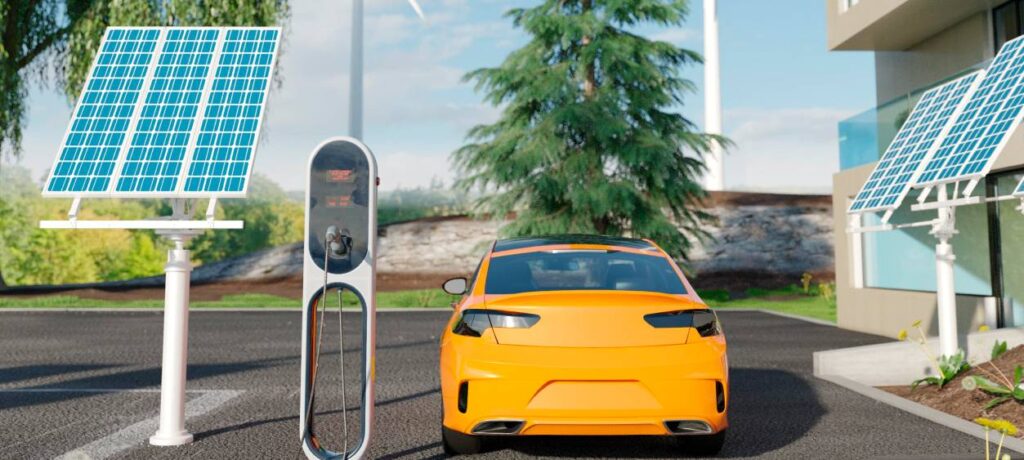
Lithium batteries are the source of power for most electric vehicles. These batteries are rechargeable and are typically used to power portable devices and electric vehicles along with hybrid electric vehicles. Lithium batteries are preferred to be used in EVs because of their high power to weight ratio, high energy and low self discharge.
Electric Vehicles are the need in today’s times. There is sure to be growth in the number of electric vehicles seen on roads in the coming years. They are assured for a rapid growth phase with the blending outcome of longer range, lower battery cost and faster charging rate. However, the range and charging of EVs are still important concerns.
Fast charging for EV is a factor that will draw more consumers to make the switch to electric vehicles. The potential to recharge the vehicle swiftly is an important demand for a storage battery. Likewise, a critical barrier to fast charging is temperature. None of the EVs available in the market today, however, grant fast charging in low temperatures. Keeping this in mind, we are going to take a look at fast charging for electric vehicles and its complications.
Lithium plating and battery technology gap
In electric vehicles, fast charging is known to cause Lithium plating. It happens in cold temperatures when lithium deposits form around the anode of the EV battery during charging. Lithium plating deteriorates battery life and safety.