
Post: Questions Every Buyer Should Ask Before Purchasing an ESS
Post Categories
- Battries
- Battery Energy Storage System
- BESS
- Best Inverter Battery for Home
- Cells
- DMEGC Cells
- E - Rickshaw Battery
- Electric Vehicle Battery Manufacturers
- Energy Storage Solutions
- EV Battery
- EV Battery Manufacturers in India
- High Voltage ESS Battery Manufacturer
- Highpower Prismatic Cells
- Highstar Prismatic Cells
- Inverter Lithium Batteries
- Lithium Batteries
- Lithium Battery Manufacturers in India
- Lithium Cells
- Low Voltage ESS Battery Packs
- Manufacturing
- News
- Smart BMS
- Uncategorized
Recent Posts
Questions Every Buyer Should Ask Before Purchasing an ESS
September 22, 2026
No Comments
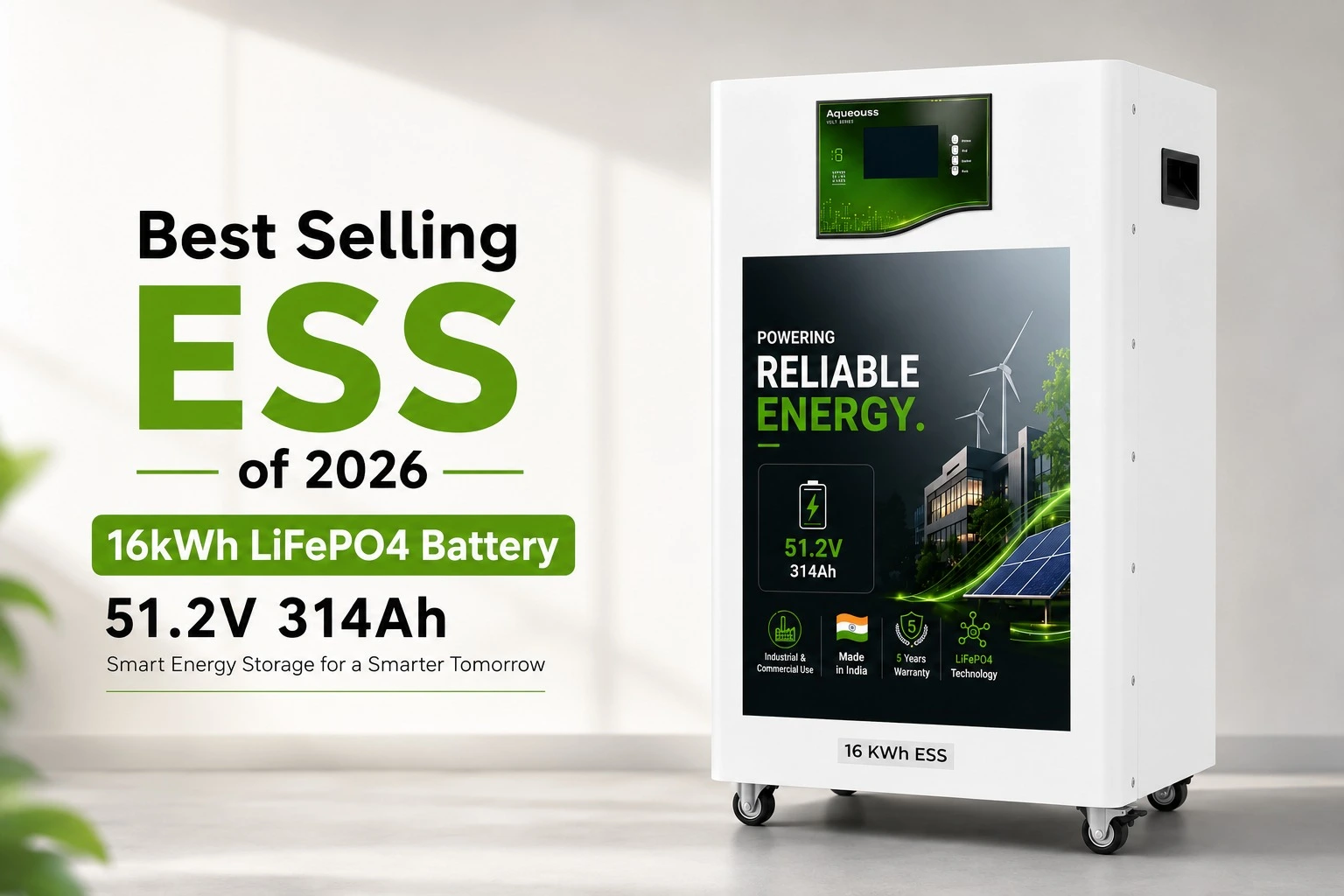
Best Selling ESS of 2026 – 16kWh 51.2V 314Ah LiFePO4 Battery
July 22, 2026
No Comments
Questions Every Buyer Should Ask Before Purchasing an ESS
- Admin
- September 22, 2026
- 6:52 am
If you’ve recently started researching an Energy Storage System (ESS), you’ve probably experienced the same thing many buyers do. One supplier recommends a 5kWh system, another insists you need 10kWh, and someone else tells you to focus only on battery brand. Before long, you’re comparing specifications you don’t fully understand and wondering if you’re about to make an expensive mistake.
The truth is that buying an ESS isn’t just about finding the biggest battery or the lowest price. Whether you’re a homeowner dealing with power cuts, a shop owner looking for uninterrupted operations, or a factory manager trying to reduce downtime, asking the right questions can save you a lot of money and frustration later.
What Problem Am I Actually Trying to Solve?
This sounds obvious, but many buyers skip this step.
Are you buying an Energy Storage Solution for backup power during outages? To store excess solar energy? To reduce electricity bills during peak tariff hours? Or to keep critical equipment running without interruption?
Many buyers assume all ESS systems serve the same purpose. The reality is that the ideal system for a home is often very different from the one needed for a warehouse, office, or manufacturing facility.
Start by identifying the problem before comparing products.
How Much Backup Time Do I Really Need?
This is a question worth asking.
Some buyers estimate their backup requirement based on worst-case scenarios, while others underestimate it completely.
For example, a homeowner may only need four to six hours of backup for lights, fans, and a refrigerator. A retail store might need enough power to keep billing systems, cameras, and internet equipment running throughout a power outage.
Understanding your actual backup requirement helps prevent overspending on battery capacity you may never use.
What Is My Daily Energy Consumption?
At first glance, battery size seems like the most important factor.
In reality, your daily energy usage tells a much bigger story.
Review your electricity bills. Look at how much energy your home, office, shop, or factory consumes on an average day.
Not sure about your daily energy consumption or the ESS capacity you need? Use the Aqueouss Load Calculator to estimate your daily energy usage and find the right ESS capacity for your requirements
A Battery Energy Storage System should be sized around your real consumption patterns, not guesses. Buyers who skip this step often end up with systems that either fall short or sit underutilized.
Is the ESS Scalable for Future Requirements?
Think about where your energy needs might be two or three years from now.
Are you planning to add more solar panels? Expand your office? Purchase additional machinery?
Here’s where things get interesting. Some ESS Battery systems allow future expansion, while others are difficult or costly to upgrade.
A scalable system can save you from replacing your entire setup when your requirements grow.
Which Battery Chemistry Is Being Used?
Not all batteries are created equal.
Ask what battery chemistry powers the ESS.
Today, many Residential ESS and Commercial ESS installations use LiFePO4 batteries because of their longer lifespan, safety characteristics, and thermal stability.
Rather than focusing only on price, understand how the battery technology affects performance, longevity, and reliability over time.
What Warranty Is Actually Being Offered?
Warranty discussions often sound straightforward until you read the details.
Does the warranty cover the entire system or only specific components? Is it based on years, charging cycles, or both?
A ten-year warranty may sound impressive, but it’s important to understand what conditions apply.
Always ask for warranty terms in writing.
Does the System Include a Quality Smart BMS?
The Battery Management System, or BMS, acts like the brain of the ESS.
It monitors battery health, temperature, charging, and overall performance.
Many buyers focus entirely on battery capacity and overlook the BMS. Yet a poor-quality Smart BMS can affect safety, efficiency, and battery life.
Ask about the manufacturer, features, and protections included.
How Safe Is the ESS?
Safety should never be treated as an afterthought.
Ask about thermal protection, fire safety measures, certifications, and system monitoring features.
Whether it’s a Residential ESS installed in a home or a Commercial ESS supporting business operations, safety design matters just as much as performance.
A reliable system should be built to handle real-world operating conditions, not just laboratory tests.
What Maintenance Should I Expect?
One common misconception is that every Energy Storage System is completely maintenance-free.
While modern systems require far less maintenance than traditional backup solutions, periodic inspections, software updates, and performance checks are still important.
Knowing these requirements upfront helps avoid surprises later.
What Support Will I Receive After Installation?
Many buyers focus heavily on the purchase process but forget about what happens afterward.
Who do you call if an issue occurs? How quickly can technical support respond? Are spare parts available locally?
The reality is that long-term support often becomes more valuable than a small difference in purchase price.
Reliable service can make the difference between a minor inconvenience and a major operational problem.
Final Thoughts
Purchasing an ESS is a significant investment, and it’s natural to feel cautious when comparing different options. The best Energy Storage System isn’t necessarily the biggest one on the market, nor is it always the cheapest. The right choice is the system that matches your actual energy consumption, backup expectations, future growth plans, and support requirements.
Ask these questions before making a decision, and you’ll be far more likely to invest in an ESS that delivers reliable performance for years to come.